BERLINCIAGAY #11 – KONSUM
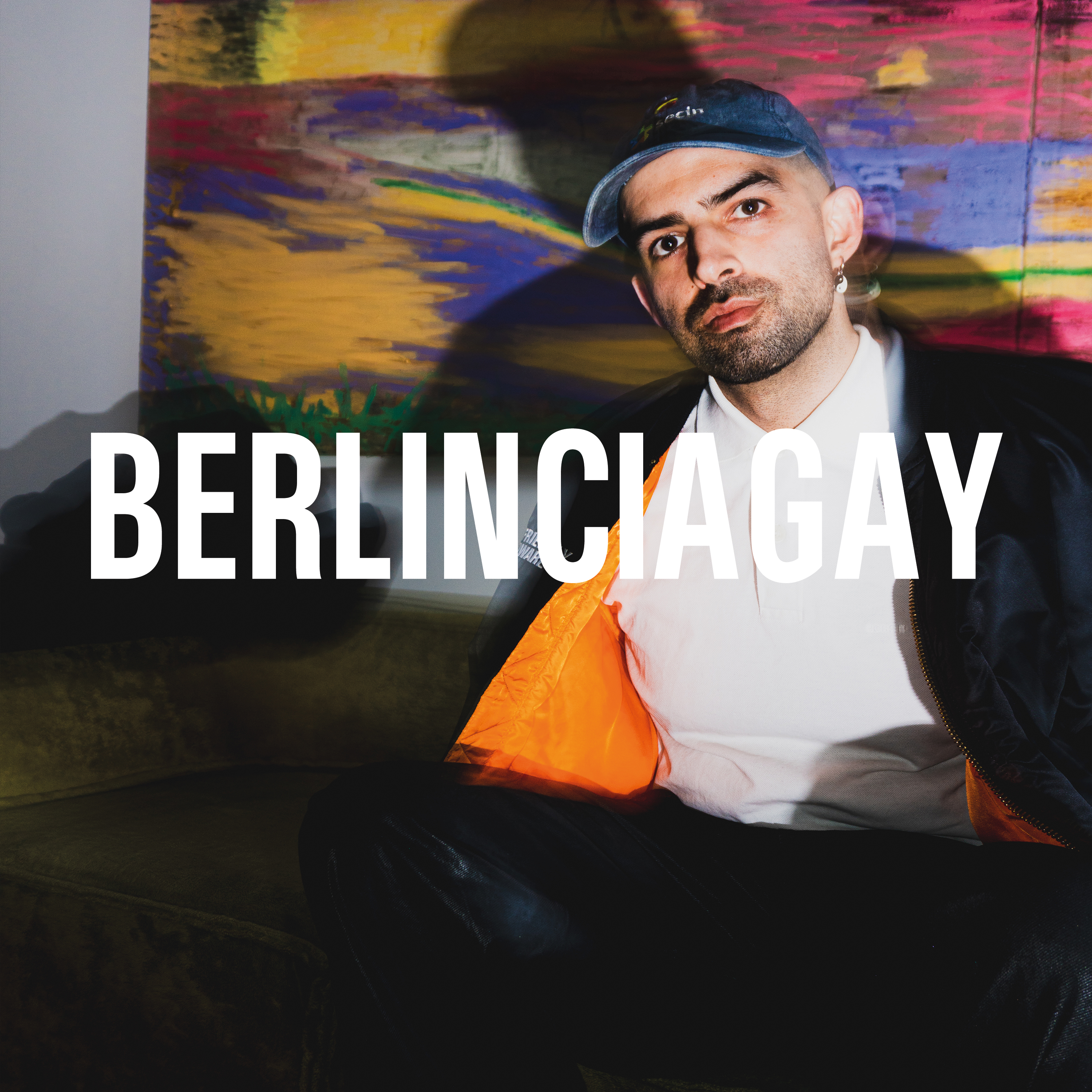
How have you been? What have you been up to lately?
Normally, I’d give a standard "I’m good," but I recently had a health scare that landed me in the hospital. It’s given me a new perspective on how I spend my time. Now, I’m strictly pursuing the things that bring me genuine happiness. Lately, that’s meant diving deep into music, both behind the decks and experimenting with dawless setups.
How did you get into music and gear? You also work for TEILE, right? What is that like?
I’ve always been obsessed with the technical side of things. As a kid, I was entering overclocking competitions—modifying computer parts to push them as fast as they could go. When I eventually got into music production, I didn't have the budget for high-end gear, so I spent my time scouring Kleinanzeigen, auction houses, and flea markets for broken equipment I could fix. I started with reel-to-reels and Tascam Portastudios. Often, I’d hit a technical wall that didn't have an online solution, so I’d have to figure it out and document the fix myself.
Everything changed when a roommate dragged me to a warehouse party. I saw Salty DJ (who is now a good friend) spinning records like a wizard, and I was hooked. That led me to the "Coppi" sessions—a tiny, unheated room where a few of us would sit in the winter and just appreciate music. After six months of watching, I bought two cheap turntables and a battle mixer. I practiced vinyl mixing for two hours every day for a year before I felt ready to play my first set at Coppi.
My job at TEILE Elektronik actually came from those sessions. I spent so much time talking gear and repairs with two regulars there that they eventually called and asked if I wanted to join the team. Working there is incredible because everyone is a producer, musician, or DJ. We actually use the devices we build, so we’re constantly thinking about how to improve them. I’ve been hand-producing all the DJ effects for about a year now. There’s a specific satisfaction in seeing a device you built by hand being used in a club to help another artist shape their sound.
Where did you record the mix for BERLINCIAGAY, and what was the idea behind it?
This mix was quite spontaneous. While I was recovering last month, I spent a lot of time digging for early 2000s progressive house and trance records. I was just spinning them to see what I’d found, and the vibe felt right, so I decided to record it. Recording a set with new records is a great mental exercise; it helps me categorize the tracks in my mind for future use.
I feel like the early 2000s represented a different moment in music history. It was playful. Producers were working within technical limitations and using them creatively. Today, a lot of releases feel "safe" or formulaic. Those older records weren't afraid of long breaks or "cheesy" vocals—they gave the dancefloor room to breathe and gave the listener something to grab onto.
This set moves from an uplifting energy into a darker vibe, which mirrors how I like to play: keeping things fun and light, but always grounded.
Who are your musical influences?
It would be easy to list big-name headliners, but my main influences are my friends. They’re the reason I picked up a guitar, got behind the decks, and started producing. I’ve learned almost everything I know through them. While I lean toward progressive house and trance, I try to keep an open mind toward techno or D&B. There is always something to learn from every genre that you can pull into your own sound.
What does community mean to you?
Community means lifting people up and giving everyone a fair shot. In a city like Berlin, where everyone is struggling to "break through," it’s easy to get competitive. But that struggle is also what creates spaces like Coppi, where people put in immense hard work and free time to create a relaxed environment for exchanging ideas and sharing music. It’s amazing that a session started by two guys three years ago has grown into a hub for like-minded people. It reminds me that we have the power to improve our community—you just have to start small.
Personally, I try to focus less on myself and more on our collective output. If I know two people who should meet, I’ll make that connection. If a show is a better fit for someone else, I’ll try to help them get that spot. Showing up to friends' shows, buying tickets, buying their releases, and sharing their stories—those are the things that keep a scene alive. It’s easy to get caught up in the talk of how things should be, but I’ve found that the most meaningful impact comes from those quiet, consistent actions that actually keep a community moving forward.